Factors Influencing the Skin Response to Solar UV

Clothing, hats and sunglasses constitute the first line of defence against intense and prolonged exposure to solar radiation.

However, the degree of protection required varies from person to person because each individual has different genetic characteristics that influence their susceptibility or resistance to the harmful effects of the sun.

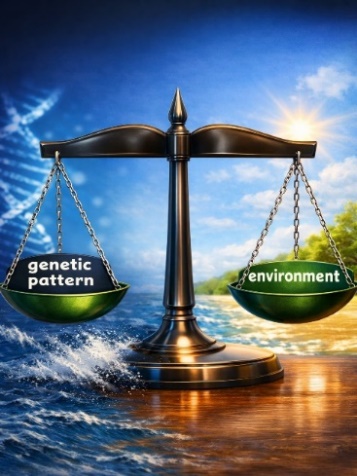
Balance between genetic factors and environmental factors

A useful way to visualize this concept is to imagine a balance:

  • on one side are genetic factors, which determine an individual's natural sensitivity to sunlight;
  • on the other side are environmental factors, which determine the intensity of UV exposure.

The interaction between these two groups of factors determines the overall risk of sun-induced skin damage.

Genetic factors

  • skin colour (very fair, fair, brown, dark or very dark);
  • red hair colour;
  • the ability to produce antioxidant and DNA repair enzymes;
  • in practical terms, the individual's tendency to develop sunburn or to tan.

Environmental factors

  • latitude;
  • time of day;
  • UV Index;
  • duration of sun exposure;
  • weather conditions (clear or cloudy skies);
  • wind;
  • water temperature.

It is therefore evident that many different variables must be considered when planning effective photoprotection.

Fundamental principles

Even individuals with brown or dark skin, although naturally more resistant to UV radiation, should still use adequate photoprotection to reduce the risk of cumulative long-term damage, including photoaging and skin cancers.
Wind and water reduce the perception of heat and therefore encourage longer periods of sun exposure.
UVA radiation penetrates even thin layers of cloud, meaning that significant UV exposure may occur even on overcast days.