
Why Are People Who Practice Water Sports at Greater Risk from the Sun?
People who practice water sports are exposed to a higher risk of sun damage not only because they spend many hours—or even entire days—outdoors, but also because the marine environment creates conditions that significantly increase sun exposure.
Several environmental factors further enhance the effects of solar radiation, particularly wind and water.
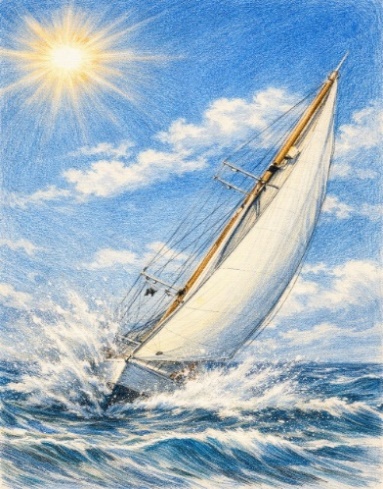

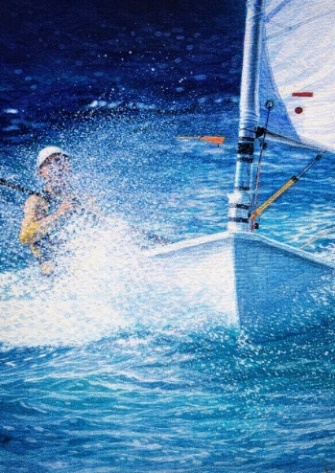
It is important to understand that the sensation of heat comes not from ultraviolet (UV) radiation, but from infrared (IR) radiation. Normally, when we feel hot, we instinctively seek shade. In this way, by escaping the heat produced by infrared rays, we also reduce our exposure to ultraviolet radiation.
For sailors, surfers, windsurfers, canoeists and other water sports enthusiasts, however, the cooling effect of wind and water reduces the perception of infrared heat. As a result, they often remain exposed to intense sunlight for much longer than they realize.
In addition, UV radiation reaches the skin not only directly from the Sun, but also after being reflected by the surface of the water, further increasing the total UV dose received.
Finally, seawater and perspiration keep the skin continuously moist. Prolonged moisture may lead to partial maceration of the stratum corneum, reducing the barrier function of the epidermis and making the skin even more vulnerable to solar damage.