What Can You Do to Reduce the Harmful Effects of the Sun?
A clear distinction should be made between competitive athletes and people who
practice water sports recreationally or while on holiday, as the latter are generally
at greater risk of UV-induced skin damage.
Competitive athletes
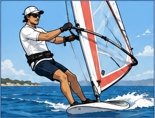
Competitive athletes usually expose only limited areas of their body to the sun
because they wear clothing and protective equipment designed to improve both
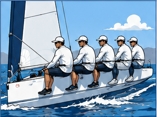
comfort and performance. During offshore sailing regattas on sunny days, they
typically wear T-shirts, hats, sunglasses, shorts, appropriate footwear and
gloves. In rough weather, they also use waterproof clothing with protective
hoods. Crews participating in multihull regattas are often almost completely
covered and usually wear protective helmets as well.
Recreational activities and holidays
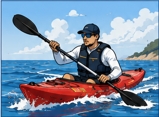
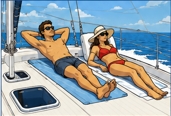
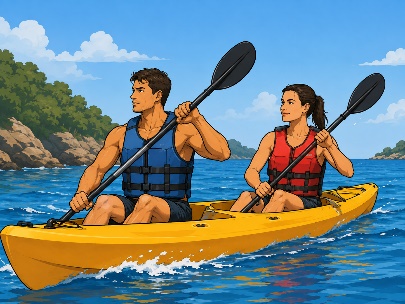
In contrast, people who enjoy the same activities for recreation or during
holidays are generally much less protected by clothing and are therefore at
considerably greater risk of excessive UV exposure. The cooling effect of wind
and water reduces the perception of heat, encouraging prolonged exposure to
sunlight. This effect becomes even more hazardous in tropical and subtropical
regions, where UV radiation is particularly intense.
Furthermore, sun exposure is not limited to the time spent on the water. Significant
UV exposure also occurs on piers, beaches, docks, while waiting for races to begin,
and during the preparation of boats and equipment.
In conclusion, all areas of skin not covered by clothing should be protected
continuously with an appropriate sunscreen.